
 251-217-9733

Commercial Transportation & Trucking Defense
Rapid response for motor carriers, including when the insurer is not stepping in.
Why Trucking Cases Are Different
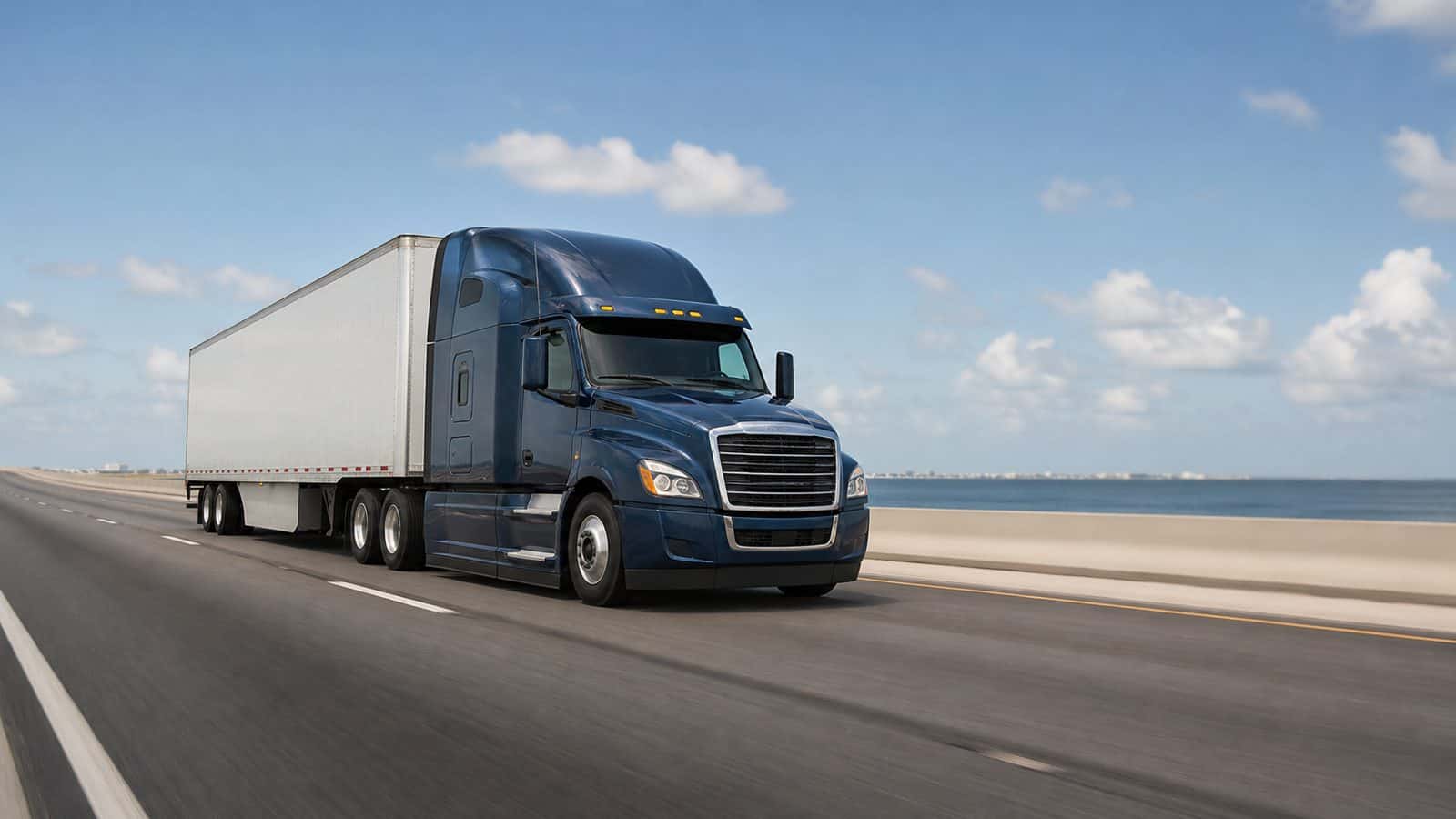
Commercial transportation defense is the representation of motor carriers, trucking companies, and transportation businesses in claims arising from collisions and operations.
These cases differ from ordinary vehicle claims in three respects. The exposure is larger, because commercial policies carry higher limits and plaintiff firms know it. The evidence is electronic and perishable (electronic logging data, telematics, engine control module data, and dashcam footage frequently overwrite or cycle within days). And the scope of enquiry is far wider: hiring, training, supervision, maintenance, and hours-of-service compliance all come into play alongside the collision itself.
That last point is what surprises operators. A defensible collision can become an indefensible case if the driver qualification file is incomplete or the maintenance records do not support the inspection schedule.
What We Handle
Collision defense
Claims arising from commercial vehicle accidents, including serious injury and fatality matters.
Negligent hiring and supervision
Direct claims against the carrier separate from the driver's conduct, often the more dangerous allegation.
Cargo claims
Damage, loss, and delay claims arising from carriage.
Regulatory and compliance issues
Hours of service, driver qualification, and maintenance compliance as they arise in litigation.
Uninsured and denied coverage matters
Representation where the carrier has no coverage, coverage is disputed, or the insurer has denied.
Contract disputes
Broker, shipper, and owner-operator agreements, including indemnity and insurance provisions.
Owner-operator issues
Classification, lease agreements, and the liability questions that follow from both.
Insurers and TPAs
Defending insured carriers and coordinating with claims teams.
Sound familiar?
How We Defend These
Respond the same day
Electronic data cycles, vehicles get repaired, and scenes are cleared. A defense built from data captured on day one is a fundamentally different case from one reconstructed in month six.
Get the file in order before it is requested
Driver qualification, training records, maintenance history, and hours-of-service data will all be demanded. Knowing what they show before the other side does is the difference between managing a problem and being ambushed by one.
Defend the company, not only the collision
Negligent hiring, training, and supervision allegations target the business directly and frequently carry more exposure than the underlying accident.
Who Does This Work

Jordan W Gerheim
Commercial transportation defense alongside a broad civil defense practice spanning insurance, product liability, and catastrophic injury.
Benjamin N. Kearns
Insurance defense, personal injury, and wrongful death litigation, including commercial vehicle matters.

William R. Lancaster
Four decades defending civil damage claims including automobile and industrial accidents, with more than a hundred cases tried to judgment.
The First 24 Hours After a Serious Collision
1. Call counsel and your insurer
Before anything else and before any statement. Rapid response exists for exactly this moment.
2. Preserve the electronic data
ECM, ELD, telematics, and dashcam. Much of it overwrites on a cycle measured in days, and some of it requires a download before the vehicle moves.
3. Do not repair or release the vehicle
It is evidence. Returning it to service or repairing it before inspection can create a spoliation problem worse than the collision.
4. Secure the driver's account properly
Through counsel. A well-meaning recorded statement given to an adjuster or an investigator on day one is very difficult to work around later.
5. Pull the file
Driver qualification, training, hours of service, and maintenance history. Know what it shows before anyone requests it.
6. Get someone to the scene
Photographs, measurements, road conditions, and witnesses, before the scene is cleared and the conditions change.
How These Matters Are Billed
Want a number for your situation?
Related Services
Frequently Asked Questions
A truck of ours was in a serious accident an hour ago. What do I do?
Call us and call your insurer now (251-217-9733). Then do not repair or release the vehicle, preserve the electronic data before it cycles, and do not let the driver give a recorded statement to anyone until counsel is involved. Everything else can wait; those four things cannot.
Our insurer denied coverage. Can you still defend us?
Yes. We represent carriers directly where there is no coverage, where the insurer has denied, or where a claim exceeds limits, and we can examine the denial itself, since coverage disputes are a core part of our insurance practice. An operator facing a claim without an insurer behind them is exactly the situation this page exists for.
Why are they suing the company as well as the driver?
Because claims against the carrier for negligent hiring, training, supervision, or maintenance are separate from the driver's conduct and frequently carry more exposure. They also open up the company's records to examination, which is why the state of your driver qualification and maintenance files can matter more than the collision itself.
How long do we have to preserve the data?
Start now, not when a letter arrives. The duty to preserve begins when litigation is reasonably anticipated, which after a serious collision is immediately. Electronic data that overwrites on a normal cycle after you knew a claim was likely creates a spoliation argument that can be worse than the underlying case.
Should we have a post-accident protocol?
Yes, and it is one of the cheapest risk reductions available to a carrier. A one-page written procedure telling dispatch and management exactly who to call and what to preserve turns a chaotic night into a managed one. We will help you write it.
Related Insights
If It Just Happened, Call (Do Not Book)
Call 251-217-9733 now. For everything else, book a Risk-Free Strategy Session and we will help you build the protocol before you need it.