
 251-217-9733

Insurance & Risk Review
Reading what your coverage actually does, at the only time it is cheap to find out.
What an Insurance & Risk Review Is
Most businesses buy insurance once and renew it every year after that. The policy gets read closely for the first time on the day of a claim, which is the most expensive possible moment to learn what it excludes.
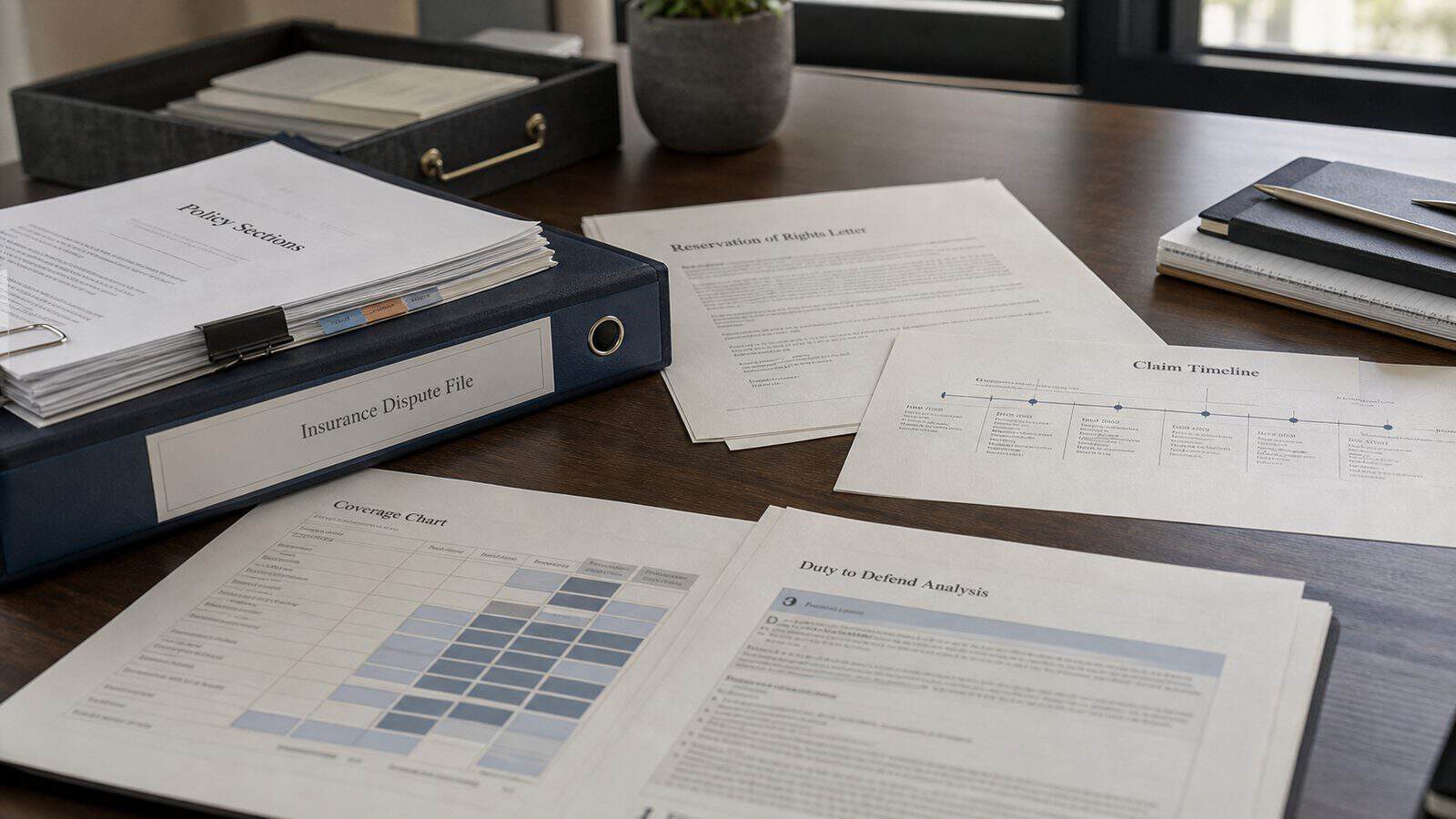
A review runs the other direction. We read the policies you already hold against what the business actually does now, rather than what it did when the coverage was first written, and we read your contracts alongside them, because indemnity clauses and insurance schedules routinely promise more than the policy behind them delivers.
We spent years defending carriers before we did this. That means we have read these policies from the other side of the file and know which exclusions get invoked, which endorsements matter, and which arguments a carrier will actually make. When a claim has already been denied or underpaid, that is a dispute rather than a review, and it is handled in the Insurance Coverage & Bad Faith.
What We Handle
Policy and renewal review
Reading the coverage you carry against the risks you actually run, before renewal rather than after a loss.
Coverage gap analysis
What is not covered, what is sub-limited, and what the policy excludes that the business assumed it did not.
Contractual risk allocation
Indemnity clauses, additional-insured requirements, and waivers of subrogation in your contracts, and whether your own policy actually backs what you agreed to.
Certificates and vendor compliance
Checking that the coverage your vendors and subcontractors say they carry is the coverage you required of them.
Coastal and property exposure
Wind, flood, named-storm deductibles, and business interruption on the Gulf Coast, where the sub-limits and the deductible structure do most of the real work.
Claims-made and prior acts
D&O, EPLI, and professional lines, where the reporting rules and retroactive dates matter as much as the coverage itself.
Claim strategy before you report
What reporting triggers, what a reservation-of-rights letter actually means, and what to do before an adjuster is assigned.
Risk transfer across the structure
Aligning entities, leases, and subsidiaries so that the coverage follows the liability rather than sitting one company away from it.
Sound familiar?
What a Review Actually Produces
A plain-language map of the coverage
What each policy does and does not do, written so a board or an owner can act on it without a broker translating.
A gap list, ranked
What is missing or under-limited, ordered by how likely it is and how much it would cost, rather than by policy number.
Language to take to your broker
Specific endorsements and wording to request, so the renewal conversation is about terms rather than only about price.
Who Does This Work

Jordan W Gerheim
Best Lawyers in America for Litigation (Insurance). Years of insurance-defense practice covering coverage, liability, and bad faith.
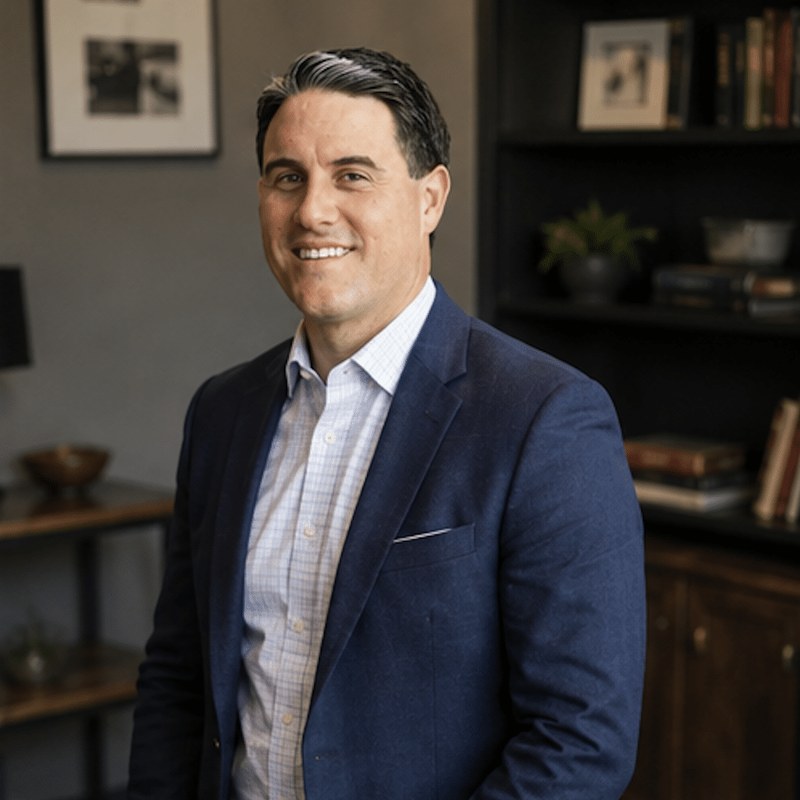
Benjamin N. Kearns
Insurance defense and bad faith, D&O liability, and the contract terms that decide who ends up paying.

Benjamin H. Kilborn, Jr.
The in-house perspective: how risk, contracts, and insurance decisions actually get made and budgeted inside an operating company.
Questions a Review Answers
Does the policy cover what you are actually afraid of?
The risk that keeps an owner up at night and the risk the policy was written for are not always the same risk.
What is your named-storm deductible in dollars?
Not in percent. On the Gulf Coast the difference between those two numbers is frequently the whole conversation.
If your largest customer sues you, which policy responds?
And does it carry a duty to defend, or only a duty to indemnify once liability is established?
Do your contracts promise coverage you do not carry?
Agreeing to indemnify and to name someone as an additional insured is easy. Having the policy that supports it is a separate question.
Are new entities and locations actually on the policy?
Subsidiaries, new sites, and acquired companies do not add themselves.
Who is authorized to report a claim?
And does that person know the reporting deadline before the deadline matters?
How This Work Is Billed
Want a number for your situation?
Related Services
Frequently Asked Questions
Are you insurance brokers?
No. We do not sell insurance, we do not place coverage, and we take no commission on anything you buy. We read the policies you already have as contracts and tell you what they do. Your broker remains the right person to go to market for you.
Why not just ask my broker to review it?
Ask them too. A good broker knows the market, the carriers, and what is available at what price. What we add is the reading a lawyer gives a contract that may one day be litigated, informed by having argued these policies from the carrier's side. The two reviews answer different questions and work well together.
How long does a review take?
For a typical small or mid-sized business with a handful of policies, it is usually a matter of weeks rather than months, and the scope and fee are set before we start. The variable is how many contracts you want read alongside the policies.
What if we already have a claim open?
Tell us at the outset. An open claim changes the advice and sometimes changes what should be put in writing, and if the claim is denied or underpaid it moves into coverage and bad-faith work rather than review work.
Do you review our contracts as part of this?
Yes, and it is usually the most useful half. Indemnity clauses, additional-insured requirements, and insurance schedules are where businesses take on risk they never priced, and they only make sense read against the policy that is supposed to answer for them.
Related Insights
Read the Policy Before the Loss
Book a Risk-Free Strategy Session and bring your declarations pages and one contract you signed recently. That is usually enough to see whether a full review is worth doing.