
 251-217-9733

Hospitality & Tourism Litigation
For the businesses that make their year in four months, and cannot afford a bad one.
What Hospitality Businesses Actually Face
Hospitality and tourism litigation covers the disputes that arise from serving the public at volume (guest injuries, event failures, vendor disputes, seasonal employment claims, and the property and booking issues particular to coastal operators).
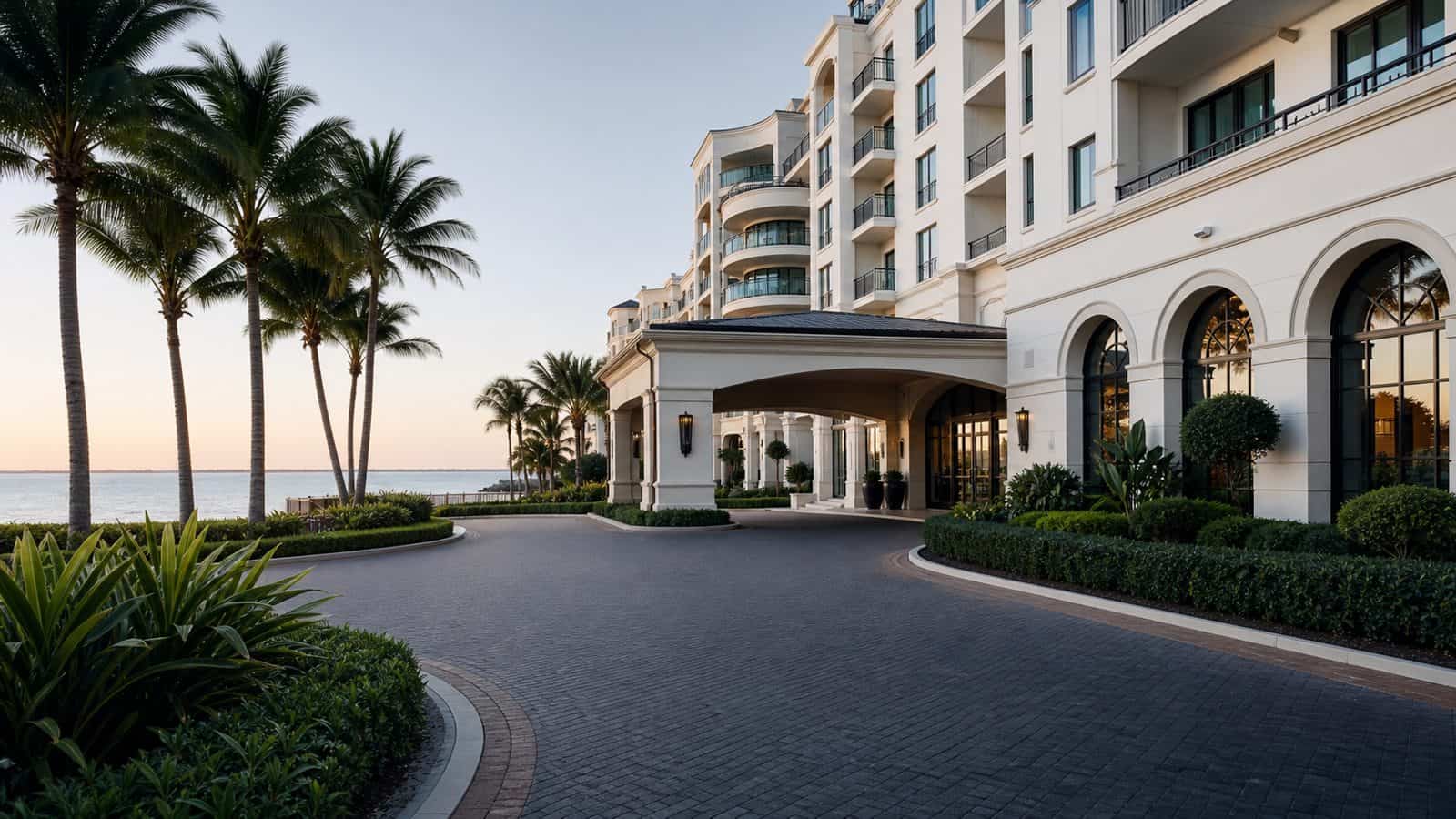
Two features make this sector distinct. Exposure is seasonal and concentrated: most of the risk arrives in the same months as most of the revenue, delivered by temporary staff at peak volume. And the weather is a business risk rather than an inconvenience. A storm can cancel an entire season's bookings, damage a property, and generate insurance, contract, and construction disputes all at once.
What We Handle
Guest injury claims
Slip and fall, pool and beach access, and premises claims across hotels, restaurants, and venues.
Liquor liability
Dram shop claims and the service policies behind them, see Dram Shop & Liquor Liability.
Event and venue disputes
Cancellations, weather clauses, deposits, and disputes with caterers and third-party suppliers.
Seasonal employment claims
Wage and hour, classification, and the disputes that come with high-volume seasonal hiring.
Vendor and supplier disputes
Food service, linen, equipment, and the booking platforms and management agreements above them.
Storm and property disruption
Insurance claims, business interruption, and the construction disputes that follow a rebuild.
Sound familiar?
The Coastal Risk Calendar
Hospitality exposure is not evenly distributed across the year, which means neither is the work that prevents it.
Before the season
Service policies, staff training and documentation, seasonal employment agreements, vendor and event contracts, and insurance review. Everything here is cheap now and expensive in July.
Peak season
Incident response and evidence preservation. Guest claims cluster here, arrive months later, and are defended almost entirely with records created in the moment.
Storm season
Cancellation and force majeure terms, business interruption coverage, and property claim documentation before repairs begin.
Off season
Claims from the season now arriving, construction and repair disputes, and the policy work that should have happened last spring.
Who does this work
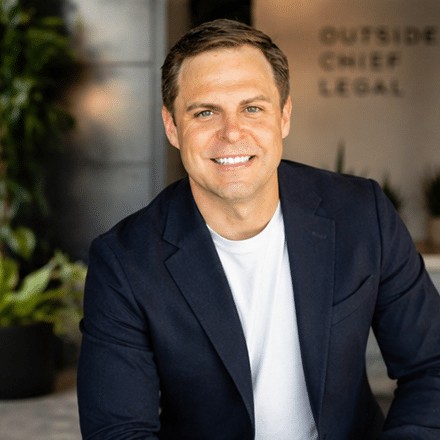
Jordan W Gerheim
Dram shop, premises, and commercial litigation across hospitality contexts, with familiarity with the licensing and compliance framework behind them.
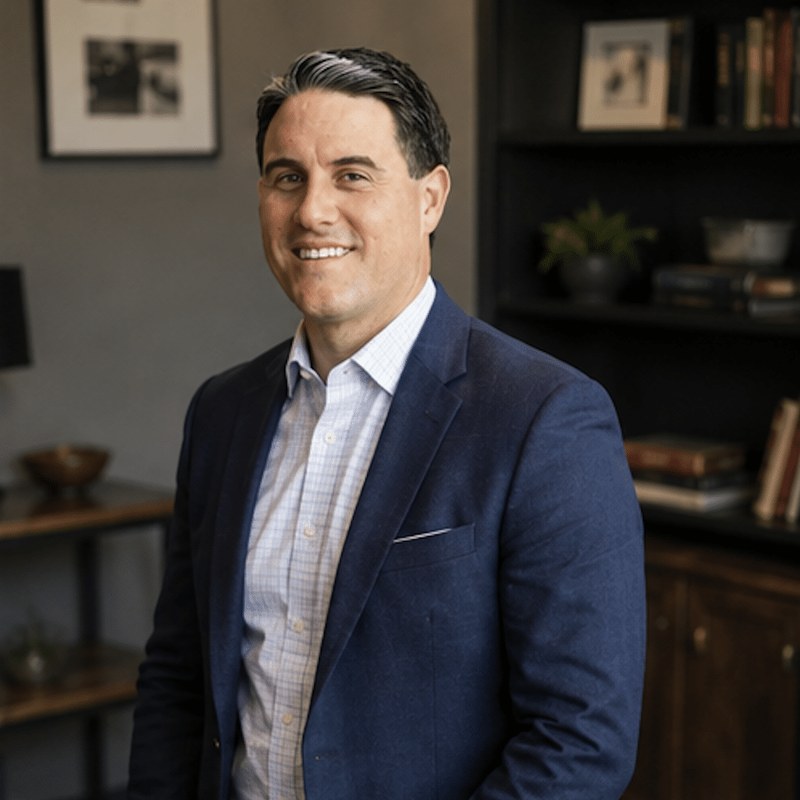
Benjamin N. Kearns
Premises liability, personal injury, and contract litigation, including venue and event disputes.
Cost and related pages
Want a number for your situation?
Frequently Asked Questions
A guest was injured on our property. What do we do first?
Get them help, then preserve the evidence (export the camera footage rather than leaving it on the system, complete a factual incident report without speculating about cause, photograph the area, and collect witness details). Claims frequently arrive months later, by which point standard footage retention has erased the only objective record of what happened.
An event was cancelled because of weather. Who keeps the deposit?
Whatever your contract says, which is why the force majeure and cancellation provisions in venue and event agreements matter far more on this coast than they do inland. Many venue contracts handle weather cancellation poorly or not at all, which turns a predictable event into a negotiation every time.
We use a lot of seasonal staff. What is our biggest exposure?
Wage and hour issues, usually (classification, overtime, tip handling, and scheduling practices). These claims rarely affect only one employee, which is what makes them disproportionately expensive. Getting the seasonal employment documents right before the season is among the cheapest risk reductions available to a hospitality operator.
Our storm claim is being treated as a maintenance issue. Can we push back?
Yes. Characterization is contested in most coastal property claims because it decides coverage, and insurers have a structural incentive to attribute damage to wear or defective construction rather than to the storm. Establishing causation early (before repairs remove the evidence) is frequently the whole case.
Related Insights
Fix It Before the Season, Not During It
Book a Risk-Free Strategy Session. If an incident has just happened, call 251-217-9733 and preserve the footage today.