
 251-217-9733

Data Breach & Cyber Litigation Defense
The breach is the first problem. What follows it is usually the larger one.
What Follows a Breach
Data breach litigation is the defense of claims brought after unauthorized access to or disclosure of protected information, by affected individuals, by business counterparties, and increasingly by regulators.
The exposure arrives on three fronts and rarely in a convenient order. Notification obligations run on statutory and contractual deadlines that begin before you know the full picture. Civil claims follow, sometimes as class actions. And regulatory attention can arrive alongside either.
The defining feature of these cases is that the company's conduct before the breach matters as much as the breach itself. Whether reasonable security measures were in place, whether known vulnerabilities were addressed, and whether the response was competent all become central, which is why what you did in the first forty-eight hours is examined so closely afterwards.

What We Handle
Incident response counsel
Directing the response so the investigation is structured properly from the outset rather than reconstructed later.
Notification obligations
Determining what is owed to whom, by when, under statute and under contract, and drafting it.
Civil claims
Defense of claims by affected individuals, employees, and customers, including class actions.
Business counterparty claims
Where a breach triggers indemnity, audit, or notification obligations owed to a larger customer.
Regulatory response
Enquiries and investigations arising alongside the civil exposure.
Vendor and supply chain disputes
Where the breach originated with a processor, vendor, or service provider and responsibility is contested.
Insurance coordination
Cyber policy notice conditions, panel requirements, and coverage disputes, see Insurance.
Post-incident remediation
The program work that follows, which is also the best defense to the next one.
Sound familiar?
How We Defend These
Structure the investigation from the outset
How forensic work is commissioned affects what protections may attach to it. Engaging an investigator directly and calling counsel afterwards forecloses options that cannot be recovered.
Track every clock at once
Statutory notification deadlines, contractual notice obligations, and insurance notice conditions all run concurrently and independently. Missing one while carefully meeting another is a common and expensive failure.
Defend the program, not only the incident
Claims focus on whether security was reasonable. What your policies, training, and controls actually were (and whether you followed them) frequently matters more than how the intrusion occurred.
Who Does This Work

Jordan W Gerheim
Data breach defense in Alabama, alongside the privacy, cybersecurity, and data-retention program work on the Boardroom side.
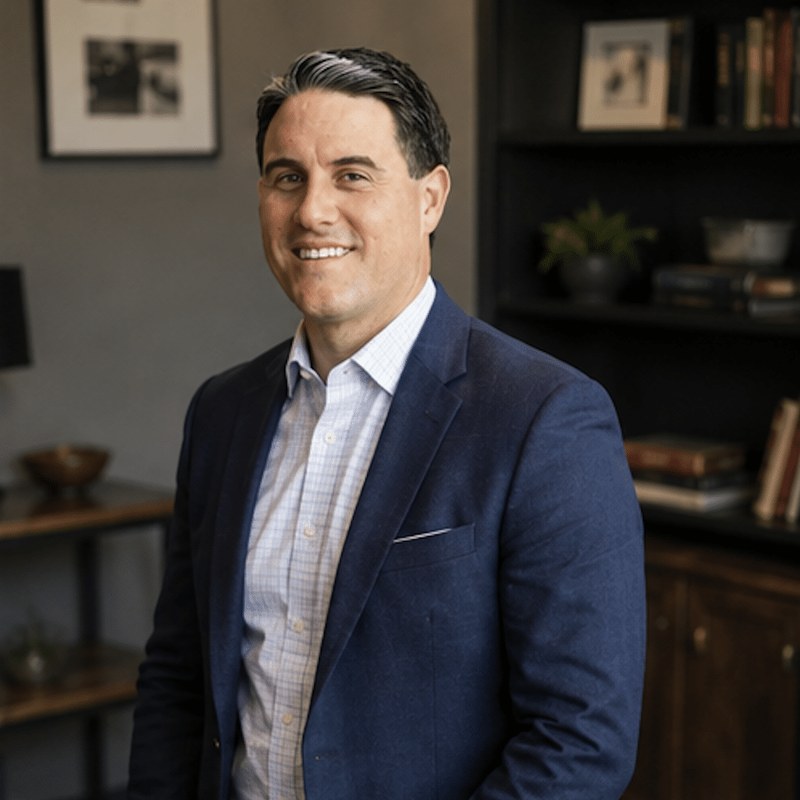
Benjamin N. Kearns
Business and commercial litigation including claims involving multiple parties and contested responsibility along a supply chain.
These Claims Are Often Weaker Than They Look
A breach is not automatically a successful claim. Plaintiffs face real obstacles, and knowing where they are shapes the entire defense.
Actual injury
Exposure of data is not automatically a compensable harm. Many claims rest on increased risk of future misuse, which is contested ground and frequently the strongest point in a defense.
Causation
That this breach caused their harm (difficult where the same data has been exposed in other incidents, which for most individuals it has).
A duty and its breach
That the security measures in place fell below what was reasonable. A documented, followed program is a genuine defense; an undocumented one is not.
Class certification
That the affected individuals' circumstances are similar enough to be tried together. Variation in what data was exposed and what followed can defeat certification entirely.
How These Matters Are Billed
Want a number for your situation?
Related Services
Frequently Asked Questions
We think we have had a breach. What is the very first thing to do?
Contain it without destroying the evidence, and call counsel before retaining a forensic investigator. How the investigation is commissioned affects what protections may attach to the resulting report, and that decision cannot be revisited later. Wiping or rebuilding a compromised system before it is imaged destroys the record of what actually happened.
How quickly do we have to notify people?
It depends on the type of data, who was affected, where they live, and what your contracts say. Multiple clocks run at once (statutory, contractual, and insurance) and they start at different moments and do not wait for each other. Establishing which apply is among the first things we do.
A vendor had the breach, not us. Are we still exposed?
Frequently yes. Notification obligations often follow the data rather than the systems, which means the obligation can be yours even when the failure was theirs. Whether you can recover from the vendor depends on what your agreement says about security, indemnity, and notice, which is worth knowing before an incident rather than during one.
Will our cyber insurance cover this?
Usually a substantial part of it, subject to the policy. Two things catch businesses out: notice conditions that require prompt notification, and panel provisions requiring approved vendors and counsel. Retaining your own forensic firm before speaking to the insurer can affect coverage, which is why the carrier call comes early.
Can we be sued even if nobody was actually harmed?
You can be sued, and you often are. Whether the claim succeeds is a different question. The absence of concrete injury is one of the most significant obstacles plaintiffs face in these cases, and it is frequently the strongest ground in the defense. That said, defending a class action is expensive whatever its merits, which is the real argument for the program work that prevents them.
Related Insights
If You Suspect a Breach, Call Before You Do Anything Else
Call 251-217-9733. The decisions made in the first few hours affect what defenses remain available for the next two years.