
 251-217-9733

Wrongful Death and Catastrophic Injury Defense
The highest-exposure claims a business can face, in a state where the rules are genuinely different.
Wrongful Death in Alabama Is Not Like Other States
A wrongful death claim arises where someone dies as a result of another party's wrongful conduct. A catastrophic injury claim involves harm severe enough to permanently alter a person's life (spinal injury, traumatic brain injury, amputation, severe burns).
In most states, wrongful death damages are compensatory: they attempt to measure what the family lost. Alabama takes a fundamentally different approach. Its wrongful death statute is understood to permit only punitive damages (assessed on the wrongfulness of the defendant's conduct rather than on the value of the life lost).
That single difference reshapes everything. It changes what evidence matters, what the jury is actually being asked to decide, how cases are valued, and how settlement is approached. A defense strategy imported from another state's framework will be aimed at the wrong target.

Who We Defend
Businesses and employers
Where a fatality or catastrophic injury arises from operations, premises, or products.
Transportation and motor carriers
Fatal collision claims, including those arising from commercial vehicle operation.
Construction and industrial operators
Site fatalities and serious injury claims involving multiple parties.
Product manufacturers
Where a product is alleged to have caused death or catastrophic harm.
Healthcare providers
Fatal outcome claims alongside professional liability exposure.
Hospitality and premises owners
Including claims with a liquor liability dimension.
Insurers and carriers
Defending insureds and coordinating on coverage where limits are genuinely in play.
Sound familiar?
How We Defend These
Respond within hours, not days
Scene evidence, vehicle and equipment condition, electronic data, and witness recollection all deteriorate immediately. The first day frequently determines what defenses remain available.
Defend against the actual standard
In Alabama the jury is assessing the wrongfulness of conduct rather than measuring a loss. That changes which facts matter and where the defense must concentrate.
Handle it with proportion
A family has suffered the worst thing that happens to people. Defending a claim properly and treating the circumstances with respect are not in conflict, and juries notice which businesses understand that.
Who Does This Work

Jordan W Gerheim
Wrongful death and catastrophic injury defense across construction, product, premises, and transportation contexts.

William R. Lancaster
Four decades of trial practice with more than a hundred cases tried to judgment, including fatal outcome and serious injury claims.
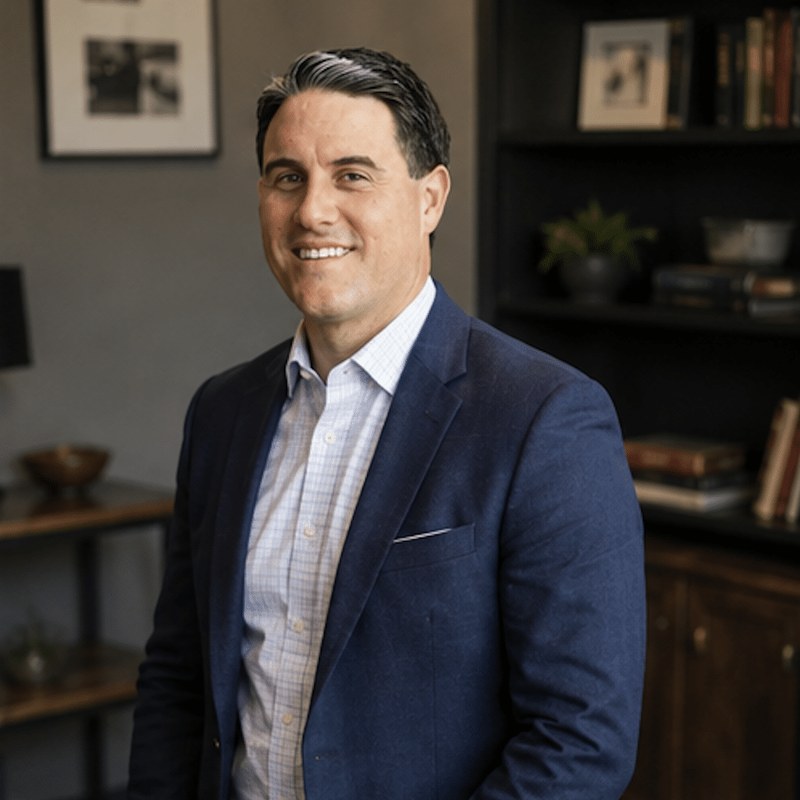
Benjamin N. Kearns
Wrongful death and personal injury litigation, with experience on both sides of these claims.
Why Alabama Wrongful Death Cases Work Differently
If you or your carrier are working from experience in another state, the assumptions will not transfer.
Damages are compensatory, measuring the family's loss
Damages are understood to be punitive only (assessed on the wrongfulness of the conduct)
Evidence focuses on earnings, dependency, and loss
Evidence focuses on the defendant's conduct and culpability
Valuation models built on economic loss
Valuation is far less predictable, because it is not anchored to a calculable figure
A modest earner produces a modest claim
Culpability drives exposure regardless of the decedent's circumstances
How These Matters Are Billed
Want a number for your situation?
Related Services
Frequently Asked Questions
What makes Alabama wrongful death claims different?
Alabama's wrongful death statute is understood to permit only punitive damages, rather than the compensatory damages available in most states. The jury is therefore assessing the wrongfulness of the defendant's conduct rather than measuring what the family lost economically. That changes what evidence matters, how cases are valued, and how settlement discussions proceed, and it means assumptions carried over from another state will be wrong.
A fatality occurred at our business today. What do we do?
Preserve everything exactly as it is and call counsel before any statement is given to anyone other than your carrier. Do not repair, move, or clean anything beyond what safety requires. Preserve electronic data, which frequently overwrites automatically. Identify witnesses. These first hours determine what defenses remain available months later.
Our insurance may not cover the full exposure. What then?
Then your interests and your carrier's are no longer perfectly aligned, and you need someone representing yours specifically. Where a claim may exceed policy limits, the insured has genuine exposure beyond the coverage and decisions about settlement take on a different character. That is a separate and important engagement.
Should we express sympathy to the family?
This deserves a conversation with counsel first, not because compassion is a legal risk in itself, but because how and when it is communicated matters, and an unadvised statement in the days after a fatality can be characterized in ways nobody intended. Handling it properly is usually both the decent and the sensible course.
Do you represent families who have lost someone?
Generally no. Our wrongful death and catastrophic injury work is predominantly defense-side, and we are not structured for plaintiff contingency work in these cases. If you have lost a family member, we will point you toward counsel who handle that work.
Related Insights
If This Has Just Happened, Call Now
Call 251-217-9733. In these matters the first hours matter more than anything that follows, and a booking form is too slow.