
 251-217-9733

Alabama Dram Shop and Liquor Liability Defense
For the businesses that serve alcohol, and the claims that arrive long after last call.
What Liquor Liability Means for a Business
Dram shop liability is the exposure a business faces when someone it served alcohol to goes on to cause harm (typically in a vehicle collision, sometimes in an altercation). The claim is brought against the establishment rather than only against the person who caused the injury.
It is unusual among business risks in that the harm happens somewhere else, often hours later, and the business may have no idea anything occurred until a claim arrives months afterwards. By then the staff who worked that shift may have moved on and the records that would establish what happened may no longer exist.
It also sits alongside a licensing dimension. The same facts that produce a civil claim can attract regulatory attention, and a business can face both at once.
Who We Defend
Bars and taverns
Including late-night venues where the exposure is highest.
Restaurants
Full-service and casual operators serving alcohol alongside food.
Hotels and hospitality venues
Bars, room service, events, and hosted functions.
Event and wedding venues
Including where alcohol is supplied by a caterer or a third party.
Distributors and suppliers
Where claims reach further back along the chain.
Licensing and regulatory matters
Compliance questions and proceedings affecting a license to serve.
Insurers
Defending insured hospitality operators and coordinating on coverage.
Sound familiar?
How We Defend These
Reconstruct the night
Point-of-sale data, tabs and timing, camera footage, staffing records, and who was working. These cases are built from operational records rather than from recollection.
Establish what the server could observe
The question is generally about visible intoxication and what a reasonable server should have perceived, not about a blood alcohol figure taken hours later somewhere else.
Handle the license alongside the claim
A civil defense conducted without regard to the regulatory exposure can protect the money and endanger the license, which is the larger asset.
Who Does This Work
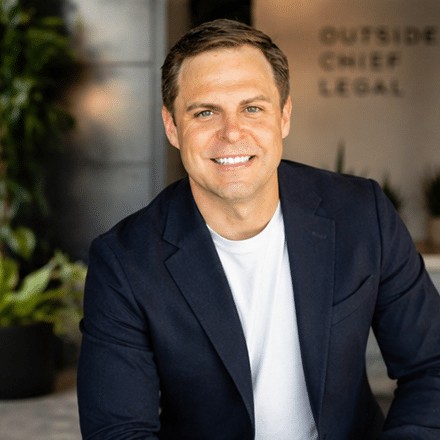
Jordan W Gerheim
Substantial dram shop and liquor liability experience, including the licensing and compliance framework that sits behind these claims.
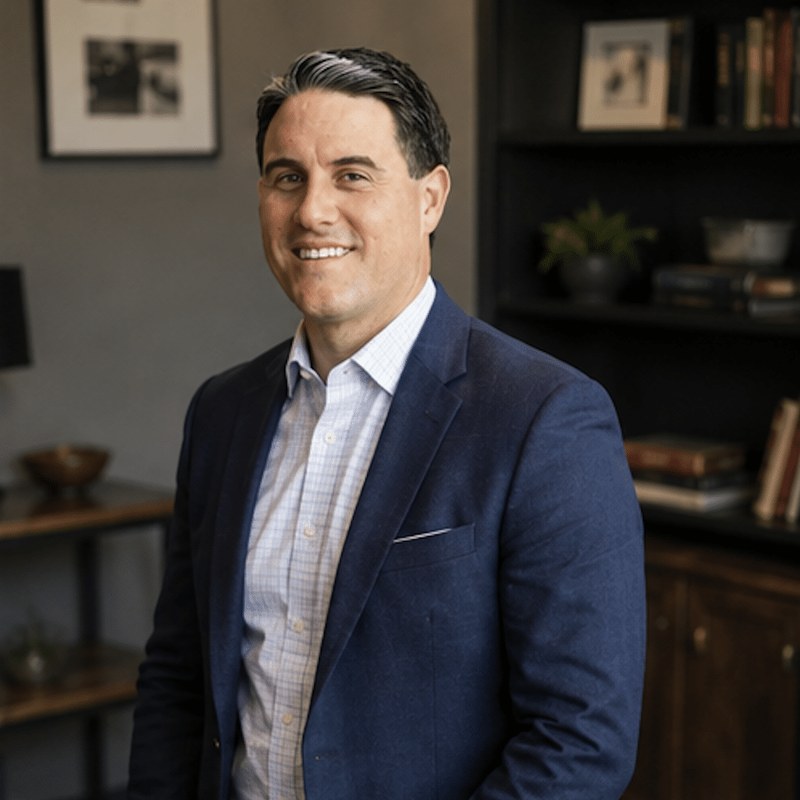
Benjamin N. Kearns
Premises and injury defense across hospitality contexts, including claims arising from events and venues.
The Service Policy That Defends You Later
Almost every successful defense rests on the establishment being able to show what its practice was and that staff followed it. Almost every difficult one involves a business that had no written practice at all.
Written service and refusal policy
States when service is refused and who has authority to refuse it. Staff who know they are backed refuse service; staff who do not, serve.
Documented training
Recorded, dated, and repeated. Training that happened but was never documented is very difficult to prove two years later.
Identification procedure
Consistent checking, and a rule for what happens when identification is questionable.
Incident log
A record of refusals, ejections, and disturbances. This is the record that shows the business was paying attention.
Camera retention
Long enough to be useful. Many claims surface months after the night in question, by which point standard retention has erased everything.
Point-of-sale discipline
Tabs tied to individuals and timed accurately. POS data is frequently the most reliable evidence of what was actually served and when.
How These Matters Are Billed
Want a number for your situation?
Related Services
Frequently Asked Questions
We were not even open when the accident happened. How are we being sued?
Because the claim is not about where the harm occurred, it is about where the alcohol was served. That is what makes dram shop exposure unusual. The incident happens elsewhere, often hours later, and the first the business hears of it may be a claim arriving months afterwards, long after the records that would help have cycled out.
What is the most important thing we can do to protect ourselves?
Have a written service policy, train to it, document the training, and keep an incident log. A business that can show a real practice which staff actually followed is in a materially stronger position than one relying on the recollection of employees who left eighteen months ago.
How long should we keep camera footage?
Longer than most hospitality businesses do. Claims routinely surface months after the night in question, by which point standard retention has overwritten everything. Extending retention is inexpensive, and preserving footage separately as soon as you learn of any incident is essential.
Can this affect our license as well as cost us money?
It can. The same facts that support a civil claim may attract regulatory attention, and the two proceed separately. A defense run without regard to the licensing dimension can protect against the damages and still leave the business worse off, because the license is usually the more valuable asset.
Our alcohol is served by a caterer at events. Are we still exposed?
Possibly, depending on the arrangement, the license being relied on, and what your contract with the caterer actually says about responsibility and insurance. Venues frequently assume the caterer carries all of it, and the contracts frequently do not say that. It is worth reading before the event rather than after.
Related Insights
Before the Claim, or the Day It Arrives
Book a Risk-Free Strategy Session. If you have just learned about an incident, call 251-217-9733. The records you need have a short life.